
Shaping Raw Land Into Something You Can Build On
Raw ground rarely arrives ready to use. Usually, the lot you want to build on slopes where it needs to be level, sits too low in one corner or holds soft, uncompacted soil that will not support what is meant to go on top. Turning that into a stable, buildable surface is the work that makes everything after it possible.
Earthworks covers the large-scale shaping of a site: cutting down high spots, filling the low ones, moving and balancing soil and compacting it so the finished grade holds. A4 Excavation handles this groundwork for residential and commercial properties across the Treasure Valley, building pads and grades that later trades can rely on.
Done well, earthwork is mostly invisible. You notice it only when it fails, when a pad settles unevenly or a graded lot starts shedding water the wrong way. Balancing cut and fill on site also keeps trucking and material costs down, which matters as much on a single home lot as it does on a commercial parcel.
Have a Lot That Isn’t Ready to Build On?
Bring us the plans or the problem and we will map out the grading.
What Earthworks Covers on a Site
Earthworks is the moving and shaping of soil to bring a site to its planned elevations and contours. The core of it is the balance between cut and fill: soil is cut away from areas that sit too high and used to fill areas that sit too low, ideally balancing on site so material does not have to be hauled in or carted off. The result is a graded surface that matches the design and drains as intended.
The work runs from the rough stage to the finished one. Rough grading establishes the general shape and elevations, strips unsuitable material and builds up pads and subgrades. Finish grading then fine-tunes the surface to tighter tolerances for whatever comes next, whether that is a foundation, a slab, paving or landscaping. Compaction runs throughout because soil that is not compacted to the right density will settle under load.
Earthworks is usually needed at the start of a project, on sloped or uneven lots or anywhere the existing ground will not support the intended use. On a hillside lot, it might mean carving out a level building envelope. On a commercial parcel, it might mean shaping the whole site so it drains to the right points. Either way, it sets the stage that every later trade builds on.
What Well-Balanced Earthworks Delivers
The benefits of solid earthwork are structural and financial at the same time. Ground shaped and compacted correctly supports what goes on top of it, while doing the work efficiently keeps the cost of the entire site under control.
The structural side comes down to stability. Soil compacted to the right density does not settle unevenly under a foundation, slab or paving, which prevents the cracks and dips that show up a year or two after a rushed grading job. A properly established grade also fixes drainage at the site level, so water sheds toward the right outlets instead of collecting where it will cause trouble.
The financial side is about the movement of material. Balancing cut and fill on site means less soil trucked in and less hauled away, and dirt is heavy and expensive to move. On larger parcels, that balance can be a meaningful share of the sitework budget. It applies just as much to a single sloped home lot as it does to a commercial pad.
There is also the matter of time. A site graded right the first time does not send later trades back to wait while the ground gets corrected, which keeps the whole schedule intact. How that grade gets built is worth understanding in a bit more detail.
Let Us Map the Grade Before You Build
The Stages of an Earthworks Project
Earthworks moves from broad shaping to fine detail. Each stage sets up the one after it, so the order matters as much as the work itself.
Survey and Layout
Existing elevations are checked against the target grades in the plans, which determines how much soil has to move and where. This is where the cut-and-fill balance is worked out.
Stripping and Rough Grading
Unsuitable surface material is stripped off, then the site is roughly shaped to its general elevations, building up pads and subgrades and cutting down the high areas.
Compaction
Fill is placed and compacted in lifts, layer by layer, to reach the density the design requires. Skipping or rushing this stage is the usual cause of settling later.
Finish Grading
The surface is fine-tuned to tighter tolerances for whatever comes next, whether that is a foundation, paving or landscaping, then shaped so it drains to the intended points.
Techniques for Building a Stable Grade
Earthworks relies on a handful of core techniques, combined differently depending on the site. Understanding them makes it clearer why the work takes the shape it does.
Cut and fill is the foundation of it: soil is cut from high areas and used to fill low ones, ideally balanced on site so material is neither trucked in nor hauled away. Where a site sits too low overall, engineered fill may be brought in and built up in compacted lifts. Where it sits too high, the excess is cut down and either reused or removed.
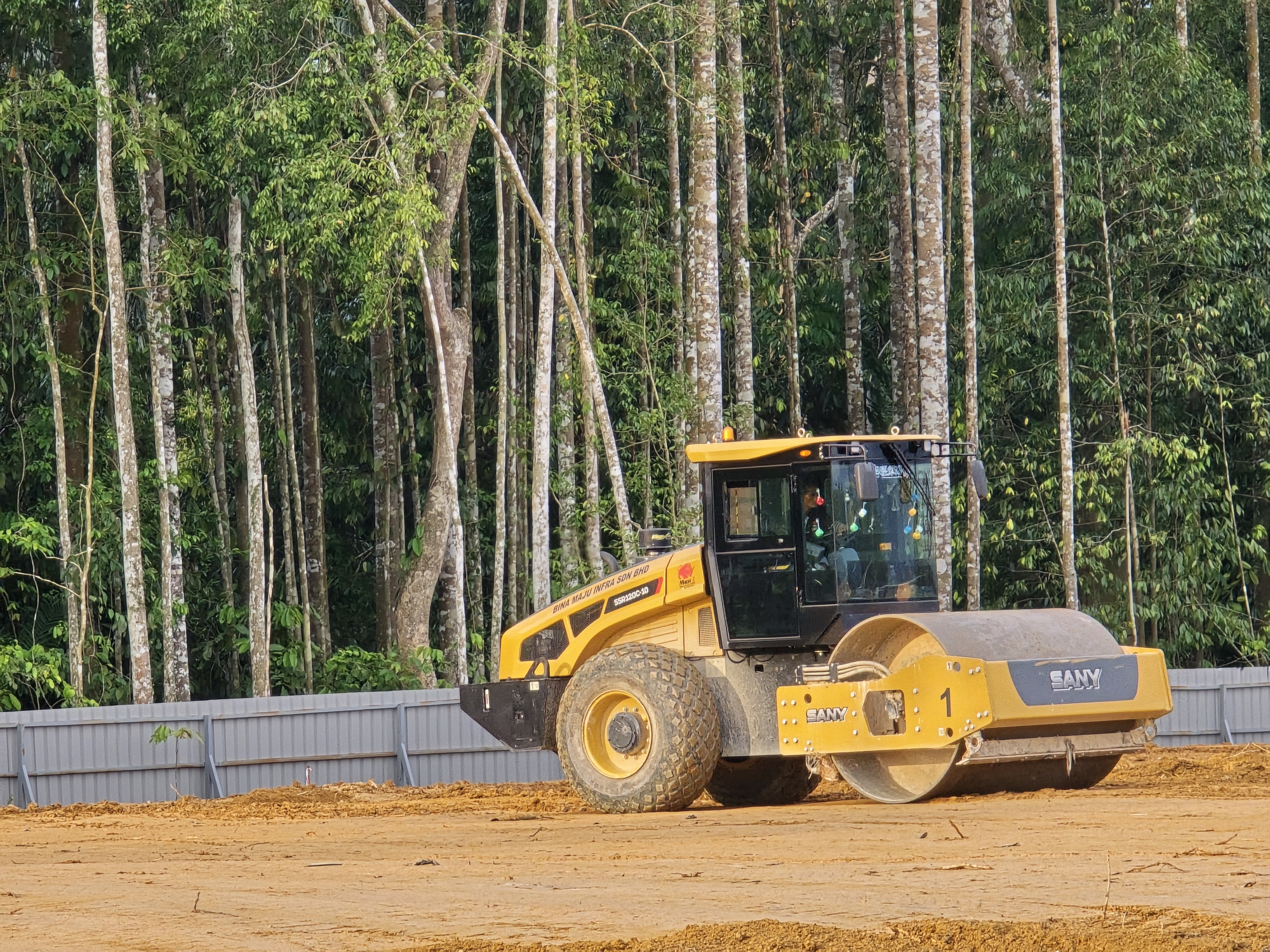
Compaction is the technique that makes the rest hold. Fill placed without proper compaction will settle unevenly under load, so soil is compacted layer by layer to a target density, with moisture content managed along the way because soil that is too dry or too wet will not compact correctly. On sloped sites, benching cuts steps into the existing grade so new fill locks into the original ground instead of sliding along a smooth seam. Each technique is chosen for the conditions rather than applied by default, which is why two lots that look similar can need very different work.
A Grade Built to Stay Put
Earthworks is invisible when it is done well and impossible to ignore when it is not. A pad that settles or a lot that drains the wrong way traces straight back to shortcuts taken during grading and compaction.
A4 Excavation approaches earthwork as the foundation for everything the project builds afterward, which means compaction is done to density rather than to the clock and cut-and-fill is balanced to control both stability and cost. Working across residential and commercial sites brings a practical sense of how different soils behave under load, while being local means the valley’s ground conditions are already familiar. The aim is a finished grade the next trade can build on immediately, without waiting for anything to be corrected first.
Earthworks FAQs
What is the difference between earthworks and excavation?
The two overlap, but the emphasis differs. Excavation focuses on removing and digging earth, while earthworks is the broader shaping of a whole site through cut, fill and compaction to reach planned elevations and grades. On most projects they happen together, with excavation as one part of the larger earthworks effort. For the digging side specifically, our excavation services cover site preparation and foundation digging.
What does cut and fill mean?
Cut and fill is the process of cutting soil from higher areas of a site and using it to fill lower ones. The goal is usually to balance the material on site so soil does not have to be trucked in or hauled away, which controls both the finished grade and the cost. Balancing it well is a meaningful part of keeping a sitework budget in check.
Why is soil compaction important?
Compaction packs soil to a density that will support the load placed on it. Fill that is not properly compacted settles unevenly over time, which leads to cracked slabs, sunken pavement and foundation problems. Compacting in layers to the right density is what keeps a finished grade stable for the long term.
Can you grade a sloped or hillside lot?
Yes. Sloped lots are common work and often involve cutting a level building envelope out of the grade, sometimes combined with retaining walls to hold the new elevations. Techniques like benching help lock new fill into the existing slope so it stays stable. Each hillside is assessed based on its own conditions.
What is the difference between earthworks and excavation?
The two overlap, but the emphasis differs. Excavation focuses on removing and digging earth, while earthworks is the broader shaping of a whole site through cut, fill and compaction to reach planned elevations and grades. On most projects they happen together, with excavation as one part of the larger earthworks effort. For the digging side specifically, our excavation services cover site preparation and foundation digging.
What does cut and fill mean?
Cut and fill is the process of cutting soil from higher areas of a site and using it to fill lower ones. The goal is usually to balance the material on site so soil does not have to be trucked in or hauled away, which controls both the finished grade and the cost. Balancing it well is a meaningful part of keeping a sitework budget in check.
Why is soil compaction important?
Compaction packs soil to a density that will support the load placed on it. Fill that is not properly compacted settles unevenly over time, which leads to cracked slabs, sunken pavement and foundation problems. Compacting in layers to the right density is what keeps a finished grade stable for the long term.
Can you grade a sloped or hillside lot?
Yes. Sloped lots are common work and often involve cutting a level building envelope out of the grade, sometimes combined with retaining walls to hold the new elevations. Techniques like benching help lock new fill into the existing slope so it stays stable. Each hillside is assessed based on its own conditions.
Build on Ground That Holds
Every foundation, slab and driveway depends on the grade beneath it being stable and shaped correctly. Getting the earthworks right is what keeps the rest of the project from inheriting problems.
A4 Excavation shapes residential and commercial sites across the Treasure Valley with balanced cut-and-fill and proper compaction. Reach out to scope your site and get the grading planned before you build.