
Quick Answer
Septic system excavation services dig the tank pit, pipe trenches, and drain field for property owners installing or replacing a septic system.
In Idaho, standard drain field trenches run 2 to 4 feet deep, set by the health district permit.
A4 Excavation handles the digging and backfill, and your permitted installer sets the system.
Septic System Excavation Services That Start With the Ground
Septic system excavation services are the first physical step in putting in or replacing a septic system on a Treasure Valley property, and the ground has to be right for the system to work. The tank needs a stable, level pit. The pipes need trenches at the right depth and grade. The drain field has to follow the permitted layout without disturbing the soil around it.
A4 Excavation handles that dirt work for new septic systems, replacements, and repairs on homes and properties across the valley. Before we dig, we look at the slope, drainage, equipment access, nearby structures, and the permitted plan, so the excavation matches both the site and the permit.
Planning a Septic Installation?
Let us get your ground ready for a septic installation, replacement or repair. We will look at your site, equipment access, and approved layout before excavation begins.
What Septic System Excavation Covers
Septic excavation covers the dirt work to get the ground ready for a septic system. It starts with a stable pit for the tank. Trenches are also opened for pipes to run between the home, tank, and drain field. The drain field also needs separate trenches or beds, depending on the approved system design.
A4 takes care of the full excavation side of the job, using the same crew and equipment behind our excavation work across the Treasure Valley. Septic design, permitting, system approval, tank installation, and plumbing connections are completed by separate, qualified professionals. Our team works from the approved layout and prepares the ground for the septic installation or replacement that follows.
Why Careful Excavation Matters
Well-prepared ground gives your septic installer the right conditions to set the system correctly. It also protects the rest of your property and the parts of the system already in the ground.
Excavation That Follows Idaho Septic Rules
Septic work in Idaho is regulated. The Idaho Department of Environmental Quality sets the statewide rules, and the local public health district permits and inspects each system. In Ada County, that is Central District Health. In Canyon County, it is Southwest District Health. The permit sets how deep the drain field goes and how far the tank and drain field must sit from wells, canals, property lines, and building foundations. We dig to those numbers.
Well-Prepared and Graded Soil
Before a permit is issued, a health district specialist looks at the soil in a test hole dug on your property. A test hole is a deep pit that shows the soil layers and any groundwater. That evaluation sets the system type, the drain field size, and how deep the trenches can go, because different soils absorb wastewater at different rates. Our crew follows those depths, not what is easiest for the equipment.
Protects the Rest of Your Yard
Heavy equipment can damage a yard or driveway when it is not run carefully. It can also damage the septic system itself. Idaho rules keep rubber-tired machines off the drain field and require a reserved replacement area that stays free of traffic. Our team stays inside the planned work area and keeps machines off the ground that needs to stay loose.
Room for Site-Specific Systems
A standard gravity drain field does not fit every lot. When the health district finds shallow groundwater, a limiting soil layer such as hardpan, or not enough room, the permit may call for an alternative system. Common options include pressure distribution, a sand mound (a drain field built up in a bed of special sand above the natural ground), or an intermittent sand filter. A permitted installer builds these systems. Our team digs and shapes the ground to the layout and depths the permit calls for.
Septic system excavation services help set up the ground for the work that comes next. The proper ground depth, grade, access, and surrounding soil all need to work together.
Have Your Ground Scoped Before Septic Work
A quick site visit checks the ground access, slope, drainage, and where the approved system needs to be located before any excavation starts.
What to Expect During Septic Excavation
The process of septic excavation depends on your property and the approved septic design. In general, the ground work moves through these stages:
- Health district site evaluation: You or your installer apply to Central District Health (Ada County) or Southwest District Health (Canyon County). A health district specialist checks the soil in one or more test holes.
- Permit and layout: The health district issues the permit. It sets the system type, location, and depths your installer and our crew work from.
- Utility locates and site walk: We call Digline (811) at least two business days before digging, then walk the site for access, slope, and drainage.
- Tank pit excavation: We dig the tank pit to the depth and footprint the permit and tank call for.
- Drain field trenching: We cut trenches with level bottoms to the permitted depth, leaving undisturbed soil between them.
- Tank and lines set: Your permitted septic installer places the tank, pipe, and rock.
- Health district inspection: The system is inspected before anything is covered.
- Backfill and final grade: After approval, we backfill and grade the area so water drains away from the system.
Each septic excavation may need more planning around fences, utilities, driveways, slopes, or limited equipment access points. We plan each excavation according to different sites, rather than forcing it to fit a standard excavation plan.
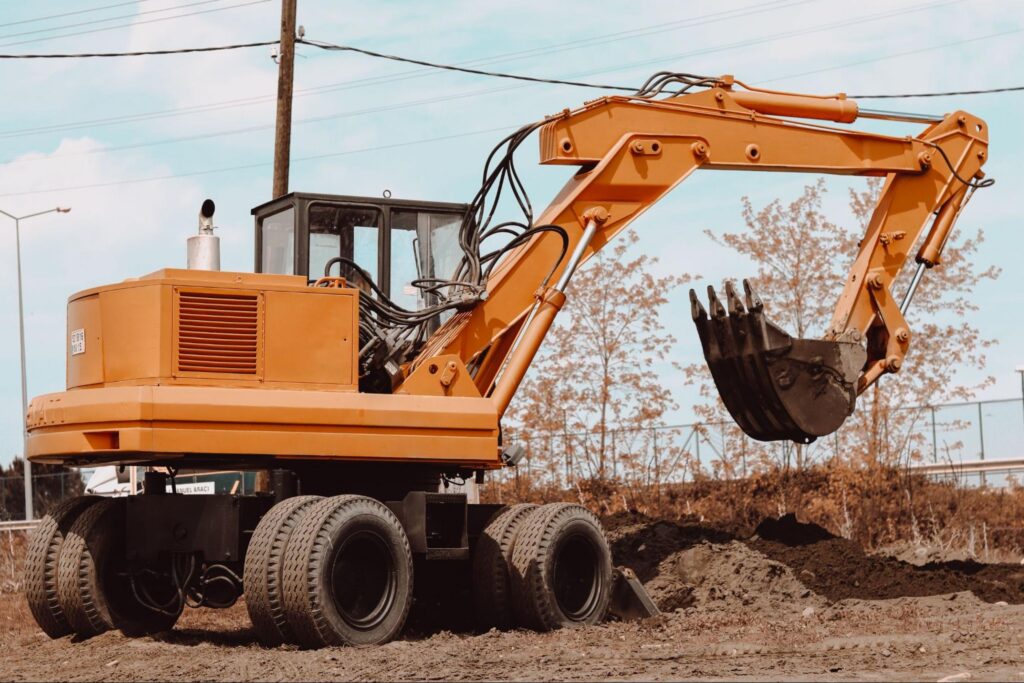
Equipment and Approaches for Different Properties
The right excavation approach and equipment depends on each site’s conditions. We look at how much dirt work is needed and if there is enough room to move it.
Larger Excavators for Open Ground
An open property gives larger equipment enough room to dig the tank pit, move excavated soil and debris, and efficiently prepare the area for wider work afterward.
Compact Equipment for Tight Sites
Properties with fences, narrow side yards, existing landscaping, or nearby structures may require smaller equipment. These compact machines reduce the amount of ground needed for machine access.
Trenching for Pipe Runs
Septic lines also need clear routes between the house, the tank, and the drain field. Trenching means opening those paths while keeping the excavation focused on the main areas approved in the plan.
Soil Grading After Backfill
Once the required septic work is finished, the excavated area needs to be brought back to grade. Soil grading means shaping a stable, even surface without low spots where water can collect around the septic system.
We choose the equipment and approach after we know the soil conditions, drainage, access, and the approved septic design.
What Drives the Cost of Septic Excavation
The cost of septic excavation depends on the system your permit calls for and what the ground looks like once digging starts. An accurate number takes a site visit and a look at the permit.
- System type. A standard gravity drain field takes less digging than a pressure distribution system or sand mound, which can add trenching, fill, and shaping work.
- Drain field size. The permit sets the drain field size based on the soil and the size of the home. More trench length means more machine time and more backfill.
- Soil and rock. Hardpan, caliche (a hard, cemented soil layer), or buried rock slows digging and can call for a larger machine or a different bucket.
- Equipment access. Tight side yards, fences, and existing landscaping can require compact equipment or extra setup time.
- Replacement work. Replacing a failed system means working around the existing tank and drain field before the new layout goes in.
- Hauling and final grade. Extra soil that has to be hauled off and the finish grading at the end both factor into the price.
Health district permit fees are separate from the excavation. We walk the site and give you a free estimate based on what we see.
Septic Excavation Planned Around the Actual Site
A4 Excavation is a registered and insured Idaho contractor, Idaho Contractor Registration #076774. We work through what the local permit and inspection process requires, keeping each septic system excavation aligned with local codes.
We plan each septic excavation with the property in front of us. We look at how the ground slopes, where the approved septic components need to sit, where equipment can enter, and where dirt can be moved. Each plan is scoped to your own site, not to a template.
Water mitigation and drainage are also core parts of what we do. If your property is dealing with runoff, pooling, or saturated ground, we can handle those conditions as we plan the dirt work. We address water issues at the source rather than digging around them.
What Property Owners Say About A4 Excavation
⭐⭐⭐⭐⭐
“I know Jezrael and his team and they are good, trustworthy people. Excellent work ethic, you’ll be happy with their service!”
– Isabella M., Verified Customer
⭐⭐⭐⭐⭐
“Highly recommended! Everyone is friendly and knowledgeable. The work exceeded expectations, and the pricing was super competitive! I’d recommend them to anyone and everyone!”
– Nathan C., Verified Customer
Tell Us What Your Septic Project Needs
Septic System Excavation Services FAQs
How deep does a septic tank excavation need to be?
It depends on the tank's height, how far the sewer line drops from the house to the tank, and your permit. Idaho rules require the tank's access openings to reach the finished ground surface, so the pit is dug to fit the tank without burying it too deep. A4 Excavation digs to the depth the permit and tank specifications call for.
Do you handle the septic permit and design?
No. In Ada County, Central District Health issues septic permits. In Canyon County, Southwest District Health does. The health district evaluates the site, sets the system on the permit, and inspects the work. Your permitted septic installer builds the system, and A4 Excavation handles the digging for the tank pit, pipe trenches, and drain field.
Can you excavate for a septic system on a tight lot?
Yes. We use equipment sized to the site, including compact machines for narrow side yards, fenced lots, and properties with existing landscaping. Smaller machines need less room to move and turn, which limits how much of the yard gets disturbed. We check access during the site visit so the right machine shows up on dig day.
Can septic excavation be done in winter?
Often, but not always. Central District Health says test holes can be dug any time of year, though more than six inches of snow can delay the site evaluation. Idaho rules also prohibit digging drain field trenches when the soil is too wet, and some permits require groundwater monitoring in spring or irrigation season first.
Can drainage problems affect a septic excavation site?
Yes, drainage problems like standing water, runoff, and saturated soil directly affect equipment access, excavation stability, and the finished grade. We look for these conditions during the site visit, so the excavation plan accounts for how water moves across the property.
How deep does a septic tank excavation need to be?
It depends on the tank’s height, how far the sewer line drops from the house to the tank, and your permit. Idaho rules require the tank’s access openings to reach the finished ground surface, so the pit is dug to fit the tank without burying it too deep. A4 Excavation digs to the depth the permit and tank specifications call for.
Do you handle the septic permit and design?
No. In Ada County, Central District Health issues septic permits. In Canyon County, Southwest District Health does. The health district evaluates the site, sets the system on the permit, and inspects the work. Your permitted septic installer builds the system, and A4 Excavation handles the digging for the tank pit, pipe trenches, and drain field.
Can you excavate for a septic system on a tight lot?
Yes. We use equipment sized to the site, including compact machines for narrow side yards, fenced lots, and properties with existing landscaping. Smaller machines need less room to move and turn, which limits how much of the yard gets disturbed. We check access during the site visit so the right machine shows up on dig day.
Can septic excavation be done in winter?
Often, but not always. Central District Health says test holes can be dug any time of year, though more than six inches of snow can delay the site evaluation. Idaho rules also prohibit digging drain field trenches when the soil is too wet, and some permits require groundwater monitoring in spring or irrigation season first.
Can drainage problems affect a septic excavation site?
Yes, drainage problems like standing water, runoff, and saturated soil directly affect equipment access, excavation stability, and the finished grade. We look for these conditions during the site visit, so the excavation plan accounts for how water moves across the property.
Start With a Free Septic Excavation Estimate
If you have a septic installation, replacement, or repair planned, we can look at the ground before the digging starts. Bring the approved layout if you have it. We will walk the site, look at access and grading, and explain what the excavation portion of the project involves.
Request a free estimate or call (208) 794-7431 to schedule an on-site visit. We will scope the ground work around your property and give you a clear plan before work begins.