
The Grade Under Every Good Yard
A good yard starts with dirt that sits at the right height and slope. Before sod goes down, a patio gets set or beds get planted, the ground has to shed water away from the house and sit level enough to actually use. Skip that step and you get puddles against the foundation, soggy low spots and landscaping that never quite thrives.
Landscape grading is the shaping of that final surface. A4 Excavation levels and contours yards, sets positive drainage away from structures and preps soil so lawns, hardscaping and planting beds sit on ground that works with them rather than against them, for properties throughout the Treasure Valley.
This is the quiet step between raw dirt and a finished landscape, and it is the one most likely to get rushed. A yard graded to drain properly protects the foundation, keeps hardscaping from shifting and gives whatever gets planted a real chance. It also ties directly into any drainage work a property needs, so the two are best planned together.
Getting a Yard Ready for Sod or Hardscape?
Grading first means the landscaping that follows actually lasts.
What Landscape Grading Prepares
Landscape grading is the final shaping of a yard’s soil so it sits at the right levels and slopes before anything is planted or built on top. Unlike the heavy cut-and-fill of site earthworks, this is finer work: smoothing and contouring the surface, breaking up compacted or rocky ground and setting a gentle slope that carries water away from the house.
A typical job involves clearing debris and rough vegetation, rough grading to correct the major high and low spots, then fine grading to a smooth, even surface ready for sod, seed, planting beds or a patio base. Slope is the piece most often overlooked. A yard needs a consistent fall away from the foundation so water never has a reason to sit against the house or pool in the middle of the lawn.
Grading is the step to handle before sod, irrigation or hardscaping goes in because reworking the grade afterward means tearing those out first. It is also the natural point to solve minor drainage issues, since the same reshaping that levels a yard can direct runoff toward a swale or drain. For persistent water problems, grading pairs with dedicated drainage work to keep the yard dry for good.
What the Right Grade Gives You
Landscape grading is inexpensive relative to what it protects and enables, which is what makes it such an easy step to justify. The benefits run from the practical to the long term, and most of them come back to controlling where water goes.
The first is a dry, stable yard. A consistent slope away from the house keeps water off the foundation and out of the low spots, which means no puddles, no soggy lawn and no moisture working its way toward the structure. That protection alone tends to outweigh the cost of the grading.
The second is landscaping that actually thrives. Plants, sod and beds set into properly graded and prepared soil establish faster and last longer than anything fighting compacted ground or standing water. Hardscaping benefits just as much, since a patio or walkway on a stable, well-drained base is far less likely to shift, crack or heave over time.
The last benefit is sequencing. Grading before the landscaping goes in means the expensive finish work is never torn out later to fix the ground beneath it. Doing it in the right order protects the investment on top. The finer points of how a yard is graded are worth a closer look.
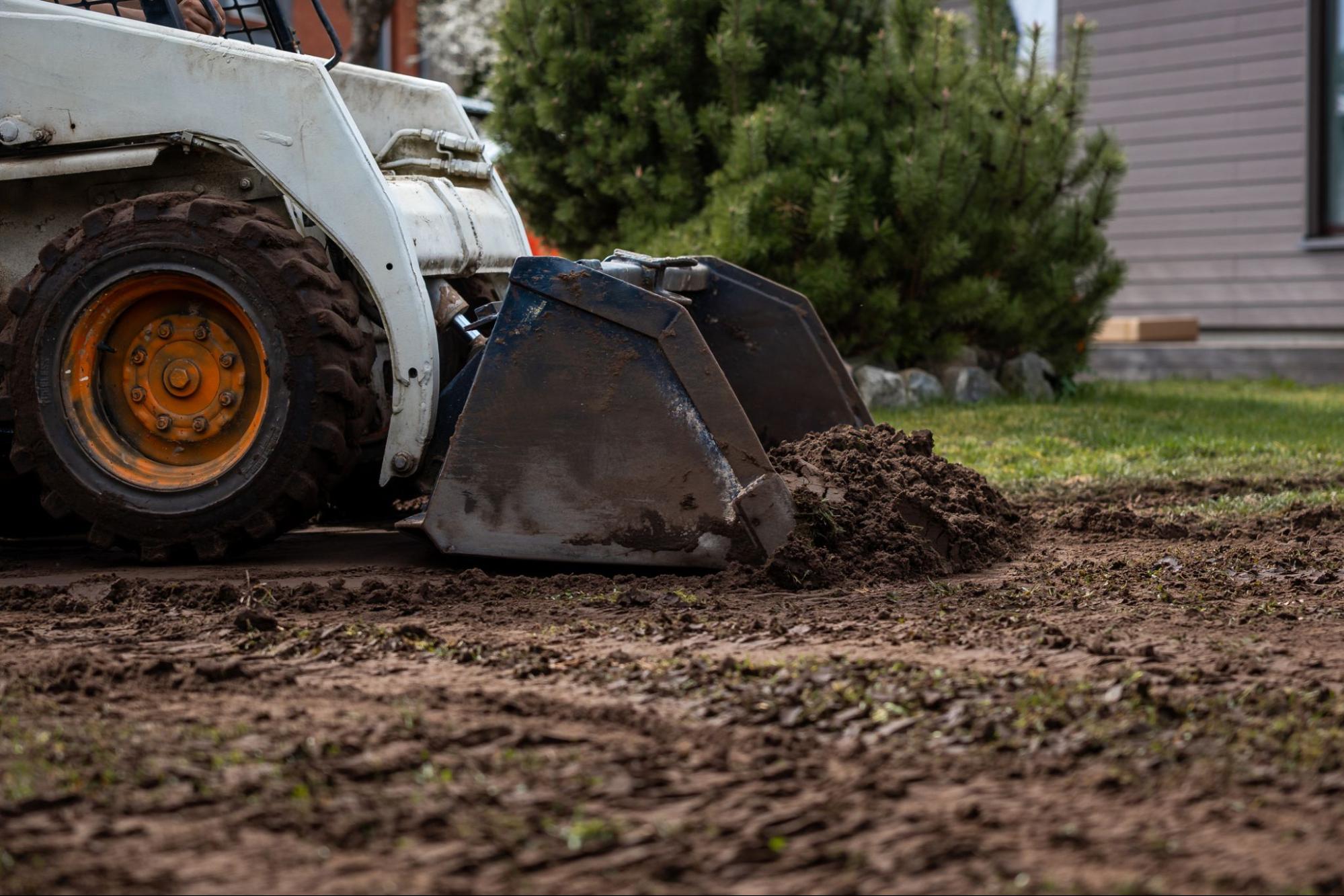
Grade First, Plant Once
What Happens During Landscape Grading
Landscape grading is a finer process than heavy sitework, but it still follows a clear order that ends with a yard ready to plant or build on.
Clearing and Assessment
The area is cleared of debris and rough vegetation, and the existing slopes and low spots are assessed to plan how water should move across the finished yard.
Rough Grading
The major high and low points are corrected, establishing the general shape and the all-important slope away from the house and other structures.
Soil Preparation
Compacted or rocky ground is broken up and the soil is worked so it is ready to support sod, seed or planting beds rather than fighting them.
Fine Grading
The surface is smoothed to an even, consistent finish, set at the right levels for the sod, hardscape or beds that follow and given a final check for proper drainage.
Grading Approaches and Soil Considerations
Landscape grading adapts to the yard and to what is going on top of it. The method for a lawn is not the method for a patio base, and the soil underneath shapes both.
For lawns and planting areas, the priority is a smooth, even surface with a gentle, consistent slope away from the house, worked so the soil is loose enough to support roots. For hardscaping like patios and walkways, the grade is set to a firmer, more precise base that will not shift under the finished surface, with drainage built into the slope so water sheds off rather than pooling. The table below shows how the goal shifts by finished surface.
| Finished Surface | Grading Priority | Key Detail |
|---|---|---|
| Sod or seed lawn | Smooth surface with a gentle drainage slope | Loose, prepared topsoil for root establishment |
| Planting beds | Level or contoured with good drainage | Amended soil that does not stay waterlogged |
| Patio or walkway | Firm, precise and compacted base | Consistent slope to shed water off the surface |
| Gravel areas | Compacted, well-draining subgrade | Stable base that resists rutting |
Soil is the variable underneath all of it. Heavier clay holds water and needs more attention to slope and sometimes added drainage, while rockier ground may need screening or amendment before it will support a healthy lawn. Reading the soil is what keeps the finished grade from working against the landscaping instead of supporting it.
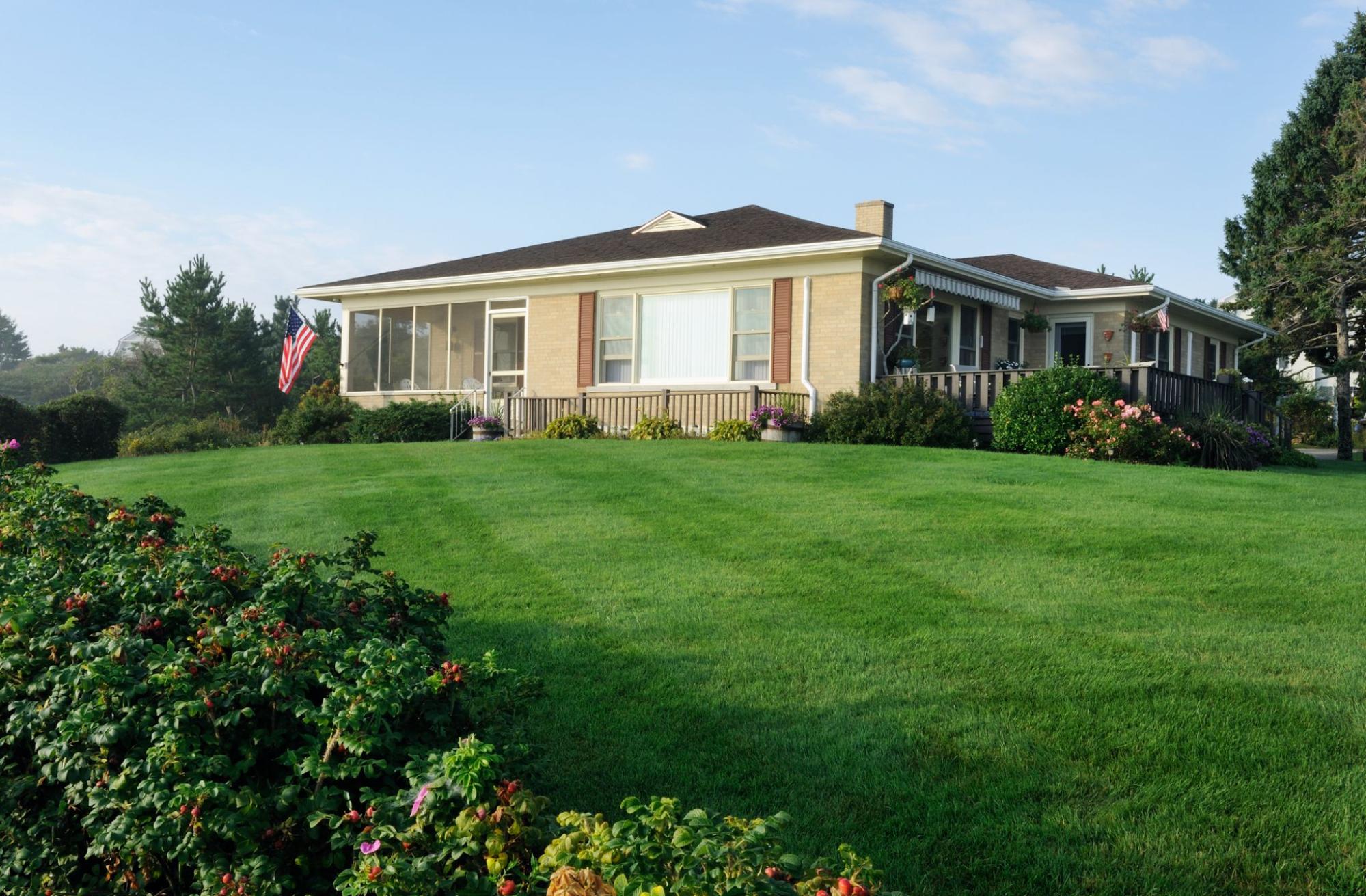
The Finish Grade That Protects Everything After It
Landscape grading sits at the handoff point between raw dirt and finished landscaping, which makes it easy to rush and expensive to get wrong. A yard that does not drain undermines everything planted or built on top of it.
A4 Excavation treats that final grade as the step that protects the whole landscaping investment, setting positive drainage away from the house and preparing soil that works with what comes next. Handling both grading and drainage means minor water issues get solved in the same pass rather than left for a separate crew, and local familiarity with the valley’s soils informs how the surface is prepared. The result is a yard that is ready to plant or pave, on ground that will not have to be reworked later.
Landscape Grading FAQs
What is landscape grading?
Landscape grading is the final shaping of a yard’s soil so it sits at the right levels and slopes before sod, planting or hardscaping goes in. It smooths the surface, corrects high and low spots and establishes a gentle slope that carries water away from the house. It is the step that makes the finished landscaping sit on ground that works with it rather than against it.
Why does my yard need a slope?
A consistent slope away from the foundation is what keeps water from pooling against the house or collecting in the middle of the yard. Without it, water sits where it lands, leading to soggy lawns, foundation moisture and landscaping that struggles. Even a gentle, barely noticeable grade makes the difference between a yard that drains and one that does not.
Should grading happen before or after landscaping?
Before, always. Grading sets the foundation the landscaping sits on, so doing it first means the sod, irrigation, beds and hardscaping are never torn out later to fix the ground beneath them. Grading after the fact means undoing finished work, which is far more expensive than doing it in the right order.
Can grading fix my drainage problems?
Grading solves many surface water issues by directing runoff away from the house and low spots, and it is often the first and simplest fix. For persistent or subsurface water problems, it pairs with our drainage excavation to keep the yard dry for good. The right approach depends on how much water the property actually handles.
What is landscape grading?
Landscape grading is the final shaping of a yard’s soil so it sits at the right levels and slopes before sod, planting or hardscaping goes in. It smooths the surface, corrects high and low spots and establishes a gentle slope that carries water away from the house. It is the step that makes the finished landscaping sit on ground that works with it rather than against it.
Why does my yard need a slope?
A consistent slope away from the foundation is what keeps water from pooling against the house or collecting in the middle of the yard. Without it, water sits where it lands, leading to soggy lawns, foundation moisture and landscaping that struggles. Even a gentle, barely noticeable grade makes the difference between a yard that drains and one that does not.
Should grading happen before or after landscaping?
Before, always. Grading sets the foundation the landscaping sits on, so doing it first means the sod, irrigation, beds and hardscaping are never torn out later to fix the ground beneath them. Grading after the fact means undoing finished work, which is far more expensive than doing it in the right order.
Can grading fix my drainage problems?
Grading solves many surface water issues by directing runoff away from the house and low spots, and it is often the first and simplest fix. For persistent or subsurface water problems, it pairs with our drainage excavation to keep the yard dry for good. The right approach depends on how much water the property actually handles.
Give Your Landscaping a Foundation That Lasts
The best landscaping in the world struggles on ground that does not drain. Grading the yard correctly first protects the foundation, keeps hardscaping stable and gives everything planted a real chance to thrive.
A4 Excavation provides landscape grading throughout the Treasure Valley, setting the drainage and the surface right before the finish work begins. Reach out to get your yard assessed and graded.